

Can Telegram Bots See Your Number?
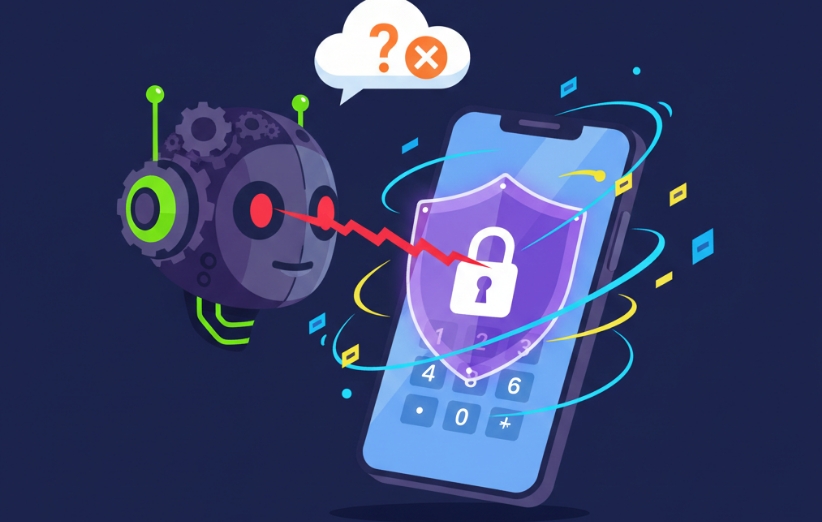
Can telegram bots see your number? If you’re asking this, you’re probably about to use a bot (or already did) and suddenly realized you don’t fully understand what personal data a bot can access. That’s a normal concern—Telegram bots feel “smart,” and some of them ask for contact details in a way that looks official. This guide gives you a calm, accurate answer, then breaks down the exact conditions where a phone number can be revealed, what Telegram controls vs what a bot owner can do, and what steps you can take to stay private.
You might see Telegram-related utility pages while exploring bots and channel tools, such as Telegram smm panel, plus “free” options like Free Telegram View and Free Telegram Reaction. Some users also encounter membership-style offers like Free Telegram Members or “perk” claims such as Free Premium Member. These pages aren’t automatically unsafe, but they’re the exact context where it’s smart to understand how phone-number visibility really works before you click “share” on anything.
1) Can Telegram Bots See Your Number?
No—Telegram bots do not automatically see your phone number just because you message them. In most normal interactions, a bot can only see what you choose to share (like the messages you type, files you upload, or a username). Your phone number is only revealed to a bot if you explicitly share it (for example, by tapping a “Share Contact” button) or if you disclose it manually in the chat.
2) How Telegram Bots Interact With Users
A Telegram bot is an automated account controlled by software running on a developer’s server. The bot receives updates from Telegram (your messages, button taps, and any content you send) and responds based on its code. This is why bots can feel interactive without needing access to your device. A useful mental model is: the bot only knows what Telegram sends it, and Telegram only sends what the bot is allowed to receive.
3) What Information Telegram Bots Can Access by Default
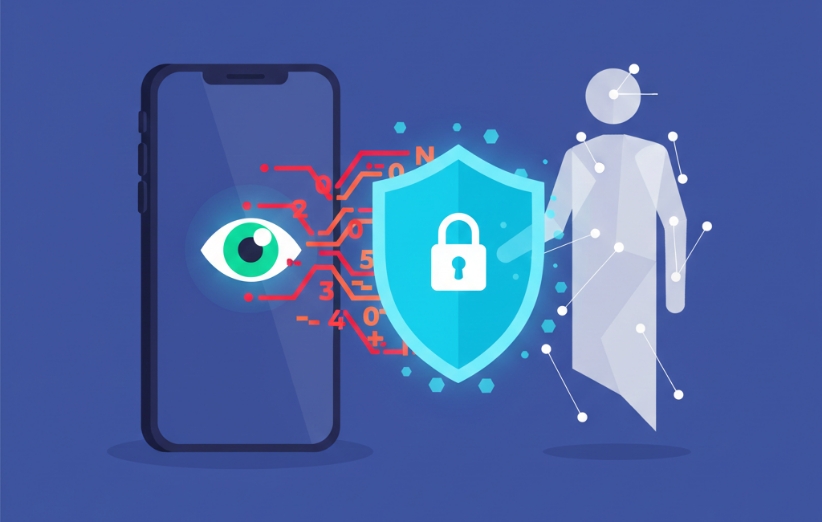
By default, bots can access the content you send to them and some basic identifiers needed to function. This typically includes your chat messages to that bot, the time of interaction, and limited account metadata (like your display name and username if you have one). Importantly, “default access” is not “full access.”
- Messages you send to the bot (text, commands, and replies).
- Files you upload to the bot (documents, images, audio).
- Your username (if you have one set) and basic profile label(s) used in chats.
- Group messages in a group where the bot is present, depending on group settings.
4) When a Telegram Bot Can See Your Phone Number
A bot can see your phone number only when you intentionally provide it. The most common trigger is tapping a Telegram button that asks you to share your contact. Another case is when a user types their number into the chat manually. If you never share your contact card and never type the number, the bot generally won’t receive it.
5) What Happens When You Tap “Share Contact”
“Share Contact” is a consent-based action. When you tap it, Telegram sends your contact card to the bot, which may include your phone number (and sometimes your name as saved in the contact card). From that point, the bot operator can store it on their server—because they received it legitimately through the bot conversation. This is why you should treat “Share Contact” like giving your number to a website form: do it only when you trust the operator and need the feature.
6) Can Bots See Your Number in Group Chats?
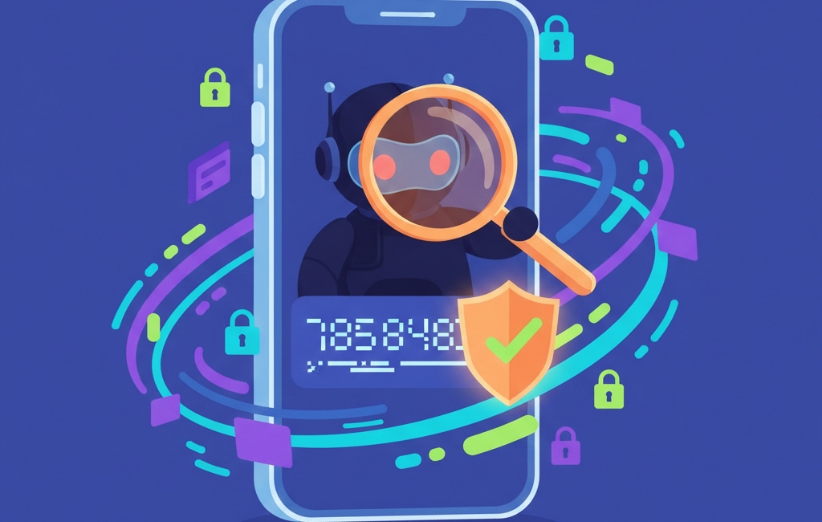
Being in a group with a bot does not automatically reveal your phone number to that bot. In group contexts, bots generally see group messages and metadata needed for moderation or features, but phone numbers are not normally broadcast to bots as a default. The bigger privacy risk in groups is usually what you say or share publicly—not a hidden phone-number leak.
7) Do Telegram Privacy Settings Affect Bot Access?
Yes—privacy settings shape who can see your number (and under what conditions), but they don’t change the basic rule: a bot only gets your number if you share it. Still, tightening your overall phone-number visibility reduces accidental exposure in other scenarios. If you want a dedicated, step-by-step privacy explanation around number visibility (beyond bots), see Can Telegram Users See My Phone Number?.
8) Can Bots Save or Store Your Phone Number?
If you share your number (via contact card or manual message), the bot owner can technically store it—because bots are backed by external servers. Telegram doesn’t automatically prevent a developer from logging data the bot receives. That’s why your best protection is not sharing the number in the first place unless it’s necessary, and choosing bots with clear purpose and accountability. If you’re exploring Telegram tooling ecosystems and want context about how panels and bot-based systems are positioned, this overview can help: What is the Telegram SMM panel?.
9) Can Bots Use Your Number for Spam or Abuse?
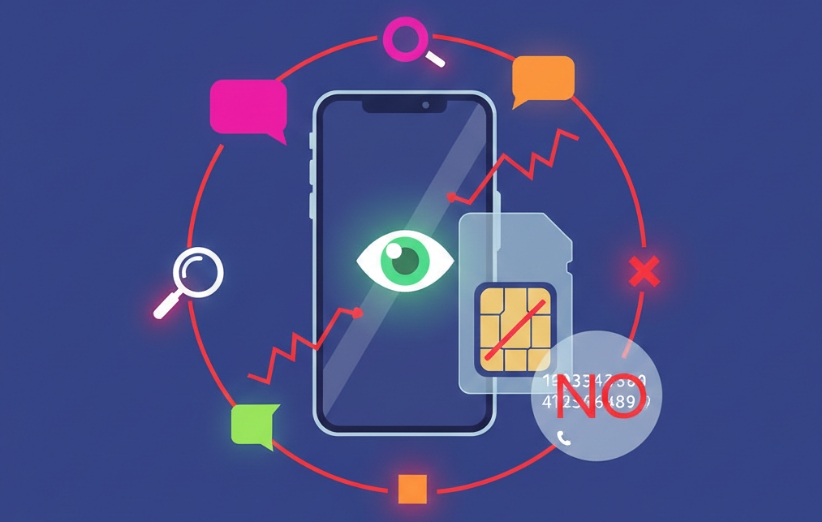
If a malicious operator obtains your number, misuse is possible—spam, unsolicited messages, or attempting social engineering. That said, the presence of risk does not mean it happens automatically. The key factor is operator intent and your own sharing behavior. If your goal is privacy-first use, treat phone number sharing as a high-trust action and keep it rare.
10) Common Myths About Telegram Bots and Phone Numbers
A lot of fear comes from myths that sound plausible but don’t match how Telegram bot permissions work. Clearing these myths reduces anxiety and helps you focus on the real risks: manipulation, phishing, and unnecessary sharing.
- Myth: “Bots automatically see your phone number.” Reality: They don’t—unless you share it.
- Myth: “Bots can read all your chats.” Reality: Bots can only read what they receive (and group context if present).
- Myth: “Opening a bot equals device access.” Reality: Bots don’t get OS-level access to your phone.
11) How to Use Telegram Bots Without Sharing Your Number
If privacy is your priority, you can still use many bots safely—just set boundaries. Most useful bots can function with usernames, links, and simple commands. Avoid using bots that require contact sharing unless the feature genuinely needs it (like a service that must verify identity for a legitimate reason).
- Do not tap “Share Contact” unless you fully trust the bot operator and need the feature.
- Use a username instead of sharing personal identifiers in chats.
- Avoid typing your number manually, even “temporarily.”
- Prefer bots with clear function and transparent behavior over reward-style bots.
12) Red Flags: Bots That Ask for Your Phone Number
Some bots request phone numbers for legitimate workflows, but many do it for control, tracking, or funneling users into scams. Be especially cautious if the bot pairs number requests with urgency, rewards, or threats. If you’re also evaluating broader compromise risks, it helps to understand the bigger picture here: Can Telegram Be Hacked?.
- “Share your number to unlock rewards” (often unnecessary and risky).
- Fake verification language (“confirm account now or lose access”).
- Requests tied to unrelated features (a simple utility bot rarely needs your phone number).
- Pressure + secrecy (“don’t tell anyone,” “limited slots,” “act now”).
13) What to Do If You Accidentally Shared Your Number
If you shared your number once, don’t panic—just shift into practical containment. The bot can’t “unsee” what it received, but you can reduce follow-on risk by limiting new exposures and watching for suspicious contact attempts. If your broader concern is traceability and identity exposure, these resources add context: can telegram be traced? and Can Telegram Be Traced by Police?.
- Stop interacting if the bot feels manipulative or keeps requesting more personal data.
- Block the bot if you suspect misuse or spam behavior.
- Be cautious with incoming messages that reference your Telegram activity.
- Review your privacy settings to reduce future accidental exposure.
14) Telegram’s Bot Privacy Model Explained
Telegram’s design keeps bots constrained: they don’t automatically gain access to your phone number, contacts, or private chats with others. Most privacy failures come from user actions (sharing contact cards, typing numbers, clicking phishing links) rather than silent bot permissions. Also, if you use Telegram across different devices, it’s worth understanding how sessions and access patterns work so you can spot anomalies early: Can Telegram Be Used on Multiple Devices?.
15) Final Verdict: Should You Worry About Bots Seeing Your Number?
Can telegram bots see your number? Not by default. In most cases, you stay private as long as you don’t share your contact card or type your number into the bot chat. The real risk is consent-based leakage: tapping “Share Contact” when you don’t fully trust the operator, or falling for bots that pressure you into unnecessary verification steps. If you keep a strict rule—never share your number unless it’s clearly required—your exposure stays low.
For official, platform-level clarity about how Telegram treats privacy controls and user data visibility (including phone number settings), review Telegram’s documentation here: Telegram FAQ.
Decision Table: “Likely Private” vs “Number Exposure” Scenarios
If you want a fast mental shortcut, this table captures the most common scenarios. The safest approach is simple: keep interactions link-based and username-based, and treat contact sharing as a rare exception.
| Scenario | Does the bot see your number? | Why |
|---|---|---|
| You message a bot normally | Usually no | Bots receive your messages, not your phone number |
| You tap “Share Contact” | Yes | You explicitly send a contact card |
| You type your number into chat | Yes | You manually disclose it to the bot |
| Bot is in a group with you | Usually no | Group context doesn’t automatically provide phone numbers |
FAQ
Can Telegram bots see my phone number by default? No. Bots do not automatically receive your phone number when you message them.
Do bots get my number in group chats? Typically no. Bots may see group messages depending on settings, but phone numbers aren’t normally shared to bots by default.
Is it safe to share my contact with a bot? Only if you trust the bot operator and the feature truly requires it. “Share Contact” is a direct disclosure.
Can I remove my number from a bot? You can stop interacting and block the bot, but if you already shared the number, the operator may have stored it externally.
Do privacy settings block bots from seeing my number? Privacy settings help overall visibility, but the key rule remains: bots see your number only if you share it.
How can I stay anonymous when using Telegram bots? Avoid “Share Contact,” don’t type personal data, and use username-based interactions whenever possible.
- Free Telegram View
- Free Telegram Reaction
- Free Telegram Story Views
- Buy Telegram Views
- Buy Telegram Members
- Buy Telegram Targeted Members
- Buy Telegram Bot Start
- Buy Telegram Boost
- Buy Telegram Story Views
- Buy Telegram Emoji Reactions
- Buy Telegram Comments
- Buy Telegram Stars
- Buy Telegram Referrals Start
- Buy Telegram Promotion
- Buy Telegram Post Shares
- Buy Telegram Poll Votes
- Buy Telegram Mini App Start
- buy telegram gifts
- Buy Telegram Bulk Message
- Buy Telegram Accounts
- Buy Aged Telegram Channels, Groups