

Can Telegram Calls Be Tapped?

Can telegram calls be tapped? This question usually comes from a place of serious concern: fear of surveillance, wiretapping, or unseen third-party listening. Many users confuse “tapping” with recording, hacking, or monitoring—and those are very different things. To answer this properly, we need to separate myths from real technical risks and explain what Telegram’s encryption actually protects, and what it cannot.
Can Telegram Calls Be Tapped?
In the traditional sense of call tapping—where a third party secretly intercepts and listens to a call in transit—Telegram calls are designed to resist tapping. Telegram uses end-to-end encryption for voice and video calls, which means the call data is encrypted on your device and decrypted only on the recipient’s device. Anyone in between sees only encrypted data, not usable audio or video.
Privacy questions like this often appear alongside Telegram-related tools or ecosystems such as Telegram smm panel and visibility utilities like Free Telegram View, Free Telegram Reaction, Free Telegram Members, or promotional claims such as Free Premium Member. These environments naturally raise questions about monitoring, interception, and who can actually see or hear what.
What “Call Tapping” Actually Means
The word “tapped” is often used loosely. Technically, call tapping refers to interception during transmission, usually at the network level. This is very different from call recording, which happens at the endpoint (on someone’s device). Many fears around Telegram calls come from mixing these two concepts together.
- Call tapping: Intercepting a call while it travels through networks.
- Call recording: Capturing audio or video on one participant’s device.
- Account compromise: Someone gains access to your Telegram account or device.
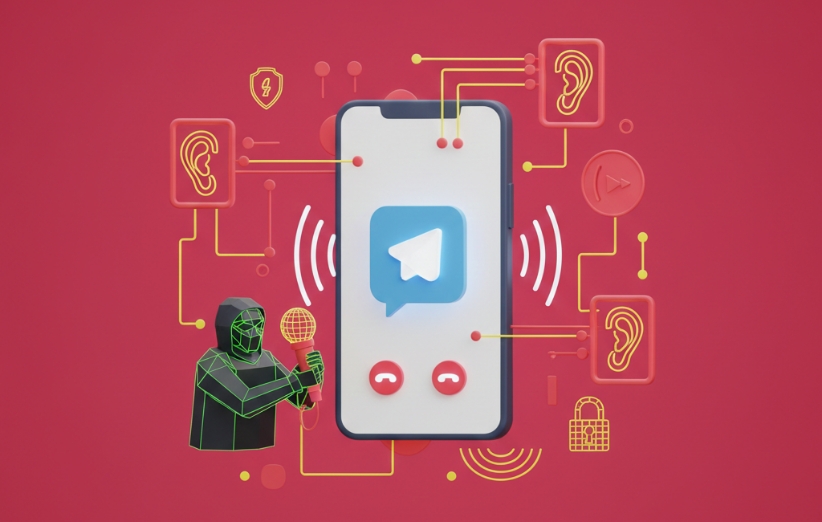
How Telegram Voice and Video Calls Work
Telegram calls establish a secure connection using cryptographic keys generated on the participants’ devices. These keys are not shared with Telegram servers. The servers help route the call but cannot decrypt it. This architecture protects against interception by ISPs, Wi-Fi providers, and most third-party attackers attempting to listen in.
Are Telegram Calls End-to-End Encrypted?
Yes. Telegram voice and video calls use end-to-end encryption by default. This means only the people on the call can hear or see the content. Even Telegram itself cannot listen to the call audio or access the video stream.
Can Third Parties Intercept Telegram Calls?
Under normal conditions, third parties such as hackers, ISPs, or Wi-Fi network owners cannot tap Telegram calls in transit. They may see encrypted traffic passing through their networks, but without the encryption keys, that data is useless. This makes traditional wiretapping-style interception impractical.
Can Governments Tap Telegram Calls?
Governments cannot simply tap Telegram calls the way they might tap traditional phone lines. Because of end-to-end encryption, there is no central point where call audio can be intercepted in readable form. Surveillance typically shifts toward device access, legal pressure, or account-level compromise rather than network interception.
Why Telegram Calls Are Different From Phone Calls
Traditional phone calls rely on telecom infrastructure where interception points exist. Telegram calls are internet-based and encrypted end-to-end, meaning there is no equivalent “wire” to tap. This difference dramatically changes the threat model and reduces exposure to classic call tapping.
Can Telegram Itself Listen to Calls?
No. Telegram does not have access to decrypted call content. The platform cannot listen to, store, or replay your calls. This limitation is fundamental to how Telegram’s call encryption is designed.
Are Group Calls or Video Calls Different?
From an interception standpoint, group calls and video calls follow the same encryption principles. However, more participants increase the chance that someone may record locally. Interception risk remains low, but human behavior risk increases.

Realistic Scenarios Where Privacy Can Be Compromised
Most real-world privacy failures do not involve network tapping. Instead, they come from endpoint compromise or user behavior. Understanding these scenarios matters more than worrying about theoretical interception.
- Device malware that records audio directly.
- Screen or call recording by the other participant.
- Account takeover through phishing or OTP theft.
If you’re concerned about broader attack vectors, related topics like can telegram bots hack you and can telegram bots see your number help explain how most compromises actually occur.
Common Myths About Telegram Call Tapping
Fear spreads fast around encrypted apps, often driven by misunderstanding rather than evidence. Clearing these myths helps focus attention on real risks.
- Myth: Telegram calls can be tapped like phone calls.
- Myth: Wi-Fi owners can listen to Telegram calls.
- Myth: Encryption prevents all recording.
How Secure Are Telegram Calls Compared to Recording Risks?
Telegram’s main vulnerability is not interception but recording by participants. This is why it’s important to understand the difference between tapping and recording. For a focused explanation of recording risks, see can telegram calls be recorded.
How to Maximize Privacy When Using Telegram Calls
You cannot fully control what the other person does, but you can reduce exposure by choosing appropriate communication methods and minimizing sensitive disclosures.
- Assume the other side can record.
- Use trusted contacts only for sensitive calls.
- Keep devices clean from malware.
- Avoid risky account behaviors that could lead to compromise.
When Telegram Calls May Not Be Enough
For extremely high-risk conversations—legal strategy, whistleblowing, or sensitive corporate matters—even encrypted calls may not be appropriate. In such cases, threat models must include device security, physical access, and participant trust, not just encryption strength.
Final Verdict: Are Telegram Calls Vulnerable to Tapping?
Can telegram calls be tapped? In practical terms, no—Telegram calls are very difficult to intercept in transit due to end-to-end encryption. Traditional call tapping methods do not apply. The real privacy risks come from endpoint recording, compromised devices, or untrusted participants. Understanding this distinction gives a much clearer and calmer picture of Telegram call security. For broader context on Telegram’s ecosystem, you may also find this useful: What is the Telegram SMM panel?.
FAQ
Can Telegram calls be intercepted by hackers? Interception in transit is highly impractical due to end-to-end encryption.
Are Telegram calls safer than regular phone calls? Yes, they offer stronger protection against network-level tapping.
Can governments tap Telegram calls? Not easily; encryption prevents traditional wiretapping.
Does Telegram use end-to-end encryption for calls? Yes, for both voice and video calls.
Can Wi-Fi networks spy on Telegram calls? They can see encrypted traffic but not the call content.
What is the biggest privacy risk with Telegram calls? Recording or device compromise, not interception.
- Free Telegram View
- Free Telegram Reaction
- Free Telegram Story Views
- Buy Telegram Views
- Buy Telegram Members
- Buy Telegram Targeted Members
- Buy Telegram Bot Start
- Buy Telegram Boost
- Buy Telegram Story Views
- Buy Telegram Emoji Reactions
- Buy Telegram Comments
- Buy Telegram Stars
- Buy Telegram Referrals Start
- Buy Telegram Promotion
- Buy Telegram Post Shares
- Buy Telegram Poll Votes
- Buy Telegram Mini App Start
- buy telegram gifts
- Buy Telegram Bulk Message
- Buy Telegram Accounts
- Buy Aged Telegram Channels, Groups